
Buying Property in Pavones Costa Rica | Complete Guide, Due Diligence & Local Real Estate Expert
Learn everything you need to know before Buying Property in Pavones, Costa Rica. Understand due diligence, escrow, title verification, utilities, zoning, surveys, and how First Point Real Estate helps protect your investment.
A Step-by-Step Guide to Purchasing Real Estate with Confidence
Buying property in Pavones is an exciting opportunity, whether you’re looking for a beachfront home, an ocean-view lot, a farm, or an investment property. However, purchasing real estate in Costa Rica is different from buying property in many other countries, and understanding the process can help you make informed decisions while protecting your investment.
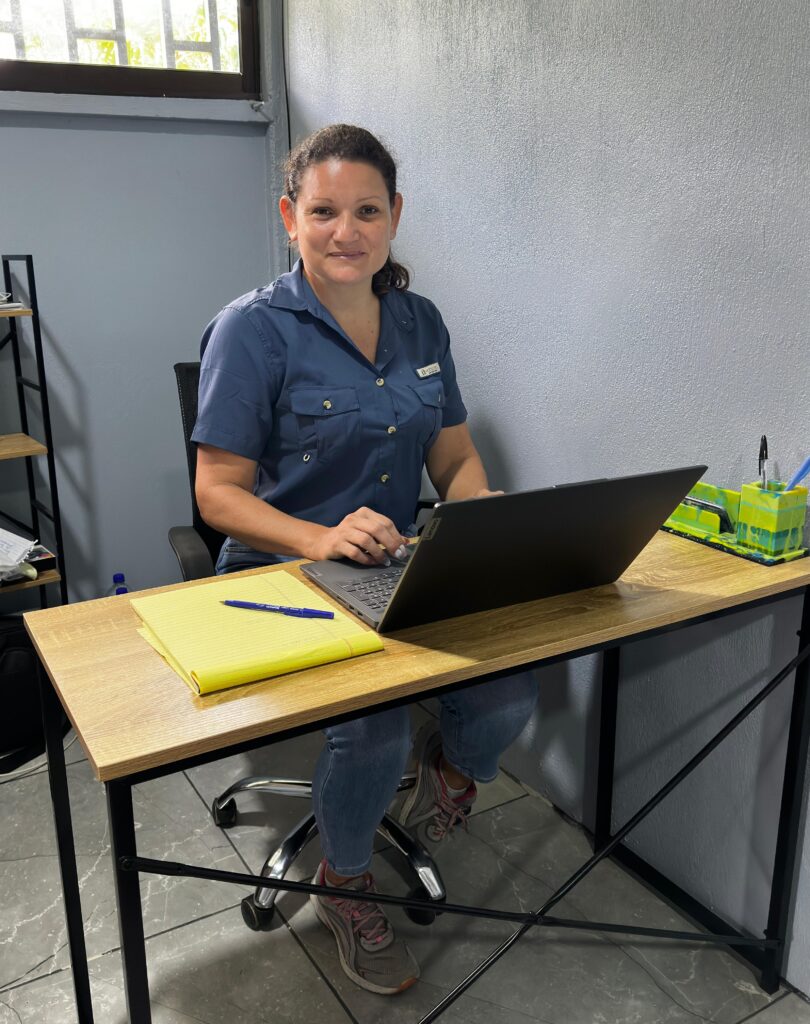
At First Point Real Estate, our goal is to make every transaction as smooth and transparent as possible. We work alongside experienced attorneys, escrow companies, engineers, and local surveyors—including Arelys Zúñiga—to guide our clients through every stage of the purchasing process
Below is a step-by-step overview of what you can expect when buying property in Pavones.
“As someone who was born and raised in the Pavones area, I’ve had the privilege of helping buyers from around the world find the right property and navigate the purchasing process with confidence. This guide summarizes the key steps every buyer should understand before investing in our community.”
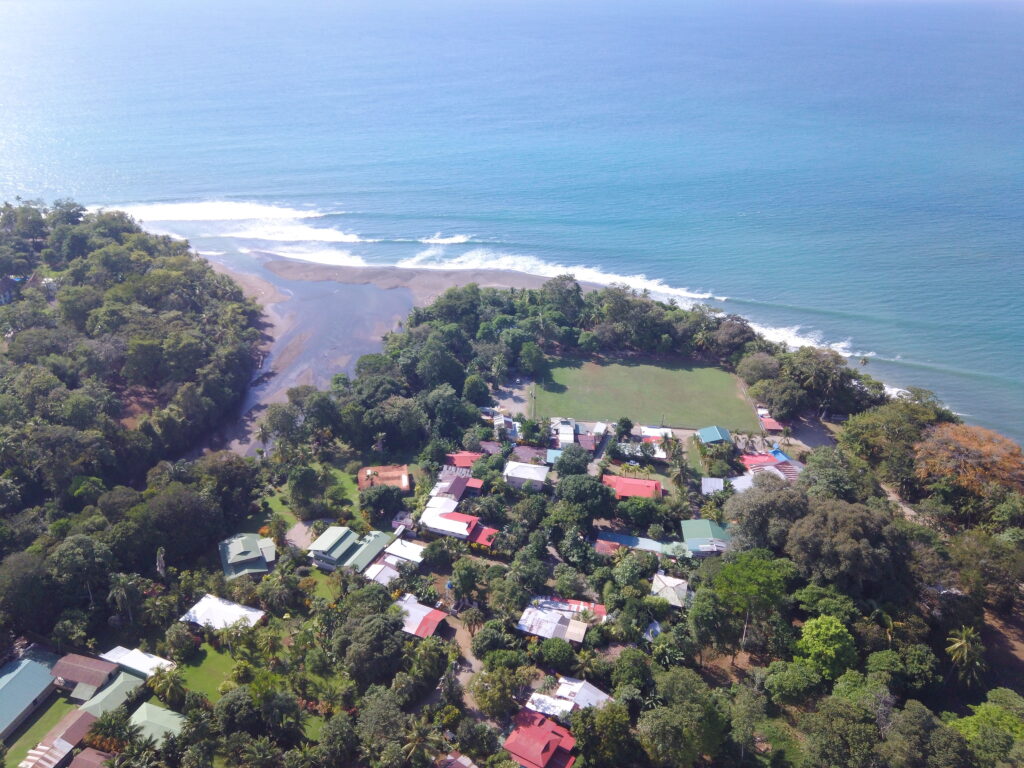
Pavones Town
Step 1: Finding the Right Property
Every successful purchase begins with choosing the right property. During this stage, we help you identify properties that match your goals, whether you’re looking for a vacation home, an investment opportunity, agricultural land, or a place to build your dream home.
When visiting a property, it’s important to look beyond the scenery. Factors such as road access, topography, water availability, electricity, internet access, surrounding development, and future building potential can all affect the property’s long-term value
Our local knowledge allows us to answer questions that many buyers don’t think to ask during their first visit, helping you evaluate not only the property itself but also its potential for future use.
Step 2: Making an Offer
Once you’ve found the right property, the next step is submitting a formal written offer to the seller.
If the seller accepts the offer, both parties move forward with a Purchase Agreement. If changes are requested, negotiations continue until an agreement is reached.
The Purchase Agreement is one of the most important documents in the transaction because it clearly establishes the terms of the sale. It typically includes:
Purchase price
Deposit amount
Closing date
Due Diligence period
Items included in the sale (inventory, furniture, appliances, etc.)
Closing costs and how they will be divided
Property taxes, utilities, and HOA fees (if applicable)
Responsibilities of both buyer and seller before closing
Most real estate transactions in Costa Rica are negotiated in U.S. dollars, and while a 30-day closing period is common, the timeline can be adjusted to meet the needs of both parties.
Step 3: Due Diligence
Once the Purchase Agreement has been signed, the Due Diligence process begins. This is one of the most important stages of purchasing real estate because it allows the buyer to verify that the property is legally and physically suitable before the transaction becomes final.
During this period, the buyer’s attorney performs a legal investigation of the property, while other professionals may be involved depending on the type of property being purchased.
a) Property Title Review:
Your attorney verifies that the seller is the legal owner of the property and confirms that the title can be transferred without legal complications. They also review mortgages, liens, easements, annotations, and any other registered restrictions.
b) Water Availability:
One of the first questions every buyer should ask is whether the property has access to water. If the land is intended for future construction, confirming water availability is essential before moving forward.
c) Electrical Availability:
The availability of electrical service should also be verified. While many properties in the Pavones area already have access to electricity, others may require additional infrastructure.
d) Land Use Certificate (Uso de Suelo):
The Land Use Certificate identifies how the property may legally be used according to municipal regulations. This document helps determine the type of development is permitted.
Road Alignment Certificate (Lineamiento Vial):
This certificate identifies public road boundaries and possible future road improvements that could affect the property.
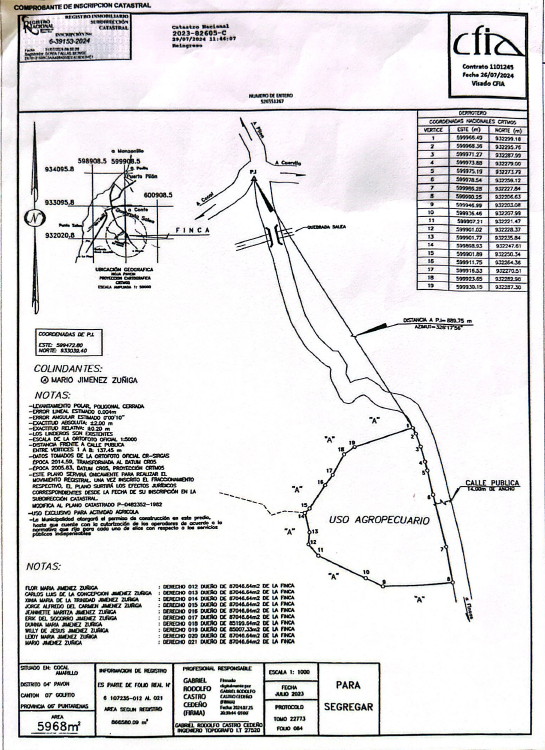
Topographic Survey:
A professional surveyor confirms the property’s boundaries, legality and more characteristics. This information is especially valuable when purchasing vacant land or planning future construction.
The Due Diligence period gives buyers the opportunity to make informed decisions before completing the transaction and greatly reduces the risk of unexpected surprises after closing.
Step 4: Opening an Escrow Account
Once the transaction moves forward, the buyer typically deposits the purchase funds into a secure third-party escrow account.
An escrow company acts as a neutral party, holding the funds until every condition outlined in the Purchase Agreement has been satisfied.
Using an escrow account offers important protection for both buyer and seller.
For the buyer, it provides peace of mind knowing that the funds will not be released until the legal requirements have been completed. If a significant issue is discovered during the Due Diligence period, the Purchase Agreement determines how the deposit will be handled.
For the seller, escrow confirms that the buyer’s funds are available and ready for closing once all contractual obligations have been fulfilled.
Escrow also simplifies the closing process because the funds are already secured, allowing ownership to be transferred more efficiently once the final documents have been signed.
Step 5: Closing the Transaction
After the Due Diligence process has been successfully completed and all conditions of the Purchase Agreement have been satisfied, the transaction moves to closing.
During closing:
The final closing statement is reviewed and signed.
The transfer deed is signed by the buyer and seller, or by their legal representatives through a Power of Attorney if they are unable to attend in person.
The escrow company releases the purchase funds according to the agreed instructions.
The attorney files the transfer deed with the Costa Rican National Registry.
Although ownership is legally transferred when the deed is signed, the National Registry generally updates its records within approximately 7 to 10 business days.
Once this process is complete, the buyer officially becomes the registered owner of the property.
Understanding Closing Costs
Closing costs are a normal part of every real estate transaction in Costa Rica and are generally negotiated between the buyer and seller. While every transaction is unique, buyers should be prepared for several common expenses.
Typical closing costs include:
| Expense | Estimated Cost |
|---|---|
| Attorney Fees | 1.25% of the purchase price |
| VAT on Attorney Fees | 13% (applied only to legal fees) |
| Property Transfer Tax | 1.5% |
| National Registry Fees | Approximately 0.85% |
| Escrow Service | Typically US$650–US$800, depending on the purchase price |
| Corporation Formation (if needed) | Approximately US$650 |
Closing costs are often shared between the buyer and seller, although the final distribution is negotiated as part of the Purchase Agreement.
Example: Purchasing a Property for US$100,000
| Expense | Estimated Amount |
|---|---|
| Attorney Fees (1.25%) | US$1,250 |
| VAT on Attorney Fees (13%) | US$162.50 |
| Property Transfer Tax (1.5%) | US$1,500 |
| National Registry Fees (Approx. 0.85%) | US$850 |
| Escrow Service | Approximately US$700 |
Estimated Total Closing Costs: Approximately US$4,462.50
This example is provided for informational purposes only. Actual closing costs may vary depending on the purchase price, ownership structure, negotiated terms, and any additional legal services required.
Why Work with First Point Real Estate?
Purchasing property is about much more than finding the right listing. It’s about having experienced professionals by your side throughout every stage of the transaction.
At First Point Real Estate, we help our clients navigate the buying process with confidence by coordinating property tours, negotiations, Due Diligence, topographic surveys, legal professionals, and secure escrow services. Our goal is to provide honest guidance, local expertise, and personalized service so you can make informed decisions and enjoy a smooth purchasing experience in Pavones.